Boo Luminary SVG: 3D Halloween Design
As a brand designer who has spent years refining visual identities for lifestyle brands and seasonal campaigns, I approach every new graphic design asset with a critical eye. It is not just about whether an illustration looks cute; it is about whether it communicates the right mood, scales correctly across platforms, and integrates seamlessly into a cohesive brand identity. Recently, I had the opportunity to review the Boo Luminary SVG for a client’s upcoming autumn product launch. This was not merely a test of aesthetics but a practical evaluation of how this 3D SVG could elevate Halloween marketing visuals without sacrificing professional polish.
First Impressions: Mood and Audience Perception
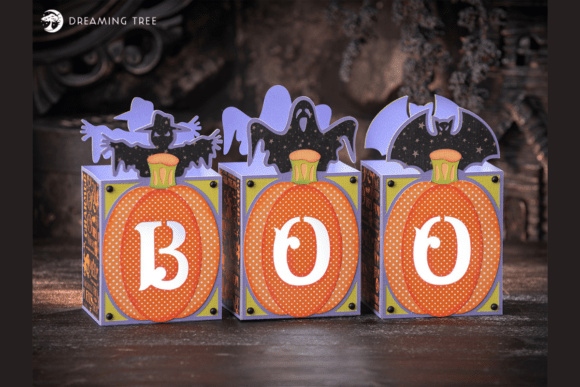
The first thing that strikes you about the Boo Luminary SVG is its balance between whimsy and structure. In the world of creative design, seasonal assets often fall into two traps: they are either too childish for premium brands or too generic to stand out in a crowded creative marketplace. This asset avoids both pitfalls. The lantern design creates a warm, inviting glow that suggests comfort rather than fear, making it ideal for lifestyle content, handmade product promotions, and family-oriented event marketing.
From a psychological perspective, the soft curves and glowing effect evoke nostalgia and warmth. For a small business owner selling home decor or artisanal goods, this emotional connection is vital. It signals that your brand understands the cozy side of the season, fostering audience trust and encouraging engagement. It feels suitable for casual branding yet retains enough structural integrity to work in more refined editorial design layouts.
Integrating the Asset into Real Marketing Workflows
I tested the Boo Luminary SVG across several touchpoints for a hypothetical campaign promoting a limited-edition candle line. The versatility of a vector-based SVG design is unmatched when compared to raster images. Here is how it performed in specific marketing visuals:
- Social Media Graphics: On Instagram, the lantern served as a perfect frame for text overlays. Its vertical orientation allowed for clear visual hierarchy, guiding the eye from the headline to the call-to-action without cluttering the feed.
- Pinterest Pins: For long-form pins, the asset provided a strong top-anchor graphic. It drew attention in the feed while leaving ample negative space for descriptive text, crucial for click-through rates.
- Packaging Design: We applied the design to a mockup of a product label. Because it is a digital product rooted in vector data, it scaled infinitely without pixelation. This ensured crisp edges on small product label prints, maintaining a look of professional branding.
- Email Banners: In email marketing, where load times matter, the lightweight nature of the file helped keep the design clean. It acted as a decorative header element that broke up text-heavy sections effectively.
Strategic Brand Applications and Visual Consistency
Using the Boo Luminary SVG is not just about decoration; it is about strengthening small business branding. When you use a consistent illustration style across your Canva template kits, digital ads, and website headers, you build recognition. This asset supports that goal by offering a distinct silhouette that becomes associated with your seasonal offer.
For content creators and online coaches, this design bundle element can be repurposed into lead magnets or media kits. Imagine using the lantern icon as a bullet point in a seasonal checklist or as a watermark on free printable resources. It adds value to freebies, making them feel like premium printable design products rather than afterthoughts. This consistency reinforces the perception of quality, which is essential for converting followers into customers.
Where to Use It and Where to Exercise Caution
While the Boo Luminary SVG is versatile, it is not a one-size-fits-all solution. It works best in hero graphics, campaign headers, and promotional banners where the mood is celebratory or cozy. It shines in web design elements that require a touch of personality without overwhelming the user interface.
However, there are contexts where this asset should be used carefully. In formal corporate branding or dense information layouts, the whimsical nature of the lantern might distract from serious messaging. Avoid using it in text-heavy ads where it competes with the main value proposition. Additionally, be cautious with low-contrast backgrounds. Since the design relies on the concept of a "glow," placing it on a busy or similarly toned background can reduce its impact. Always ensure there is sufficient contrast to maintain readability and visual appeal.
Practical Designer Notes for Implementation
Before deploying the Boo Luminary SVG in a live campaign, I recommend a few technical checks to ensure modern design standards are met:
- Color Palette Testing: Test the asset against your primary brand colors. While the default may be orange or white, recoloring it to match your brand’s hex codes can create a more cohesive look.
- Typography Pairing: Experiment with font styles. The rounded, friendly nature of the lantern pairs beautifully with handwritten or script fonts for a personal touch. For a cleaner look, try pairing it with a bold sans serif font to create contrast.
- Mobile Preview: Always preview your designs on mobile screens. Ensure that when the lantern is scaled down for social media icons or small clipart uses, the details remain visible and do not blur.
- Licensing Verification: Confirm the commercial license terms. If you are using this for client work or paid campaigns, ensure you have the rights to use the design assets in commercial products. This protects your business and respects the creator’s intellectual property.
In conclusion, the Boo Luminary SVG is a robust tool for any marketer or designer looking to add seasonal flair without compromising on quality. It bridges the gap between playful Halloween themes and sophisticated commercial design. By understanding its strengths in creating emotional connections and its limitations in formal contexts, you can leverage this digital product to create memorable, high-converting visuals that resonate with your audience.