Princess Cake Topper: 3D SVG Shapes Review
As a graphic designer who has spent the last decade refining brand identities and preparing print-ready files for small business clients, I approach every new graphic design asset with a critical eye. It is not enough for a file to look pretty in a preview image; it must hold up under the pressure of real-world application. Recently, I evaluated the Princess Cake Topper collection for a client launching a boutique bakery line focused on children’s celebrations. This review breaks down how this digital product performs when moved from a creative marketplace folder into an actual commercial design workflow.
First Impressions and Visual Mood
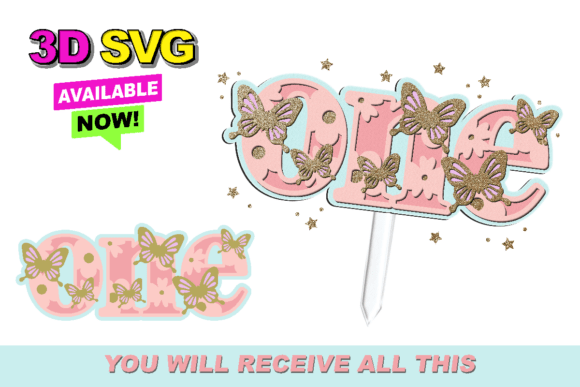
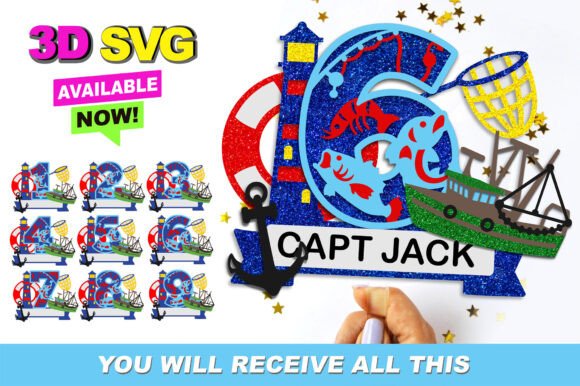
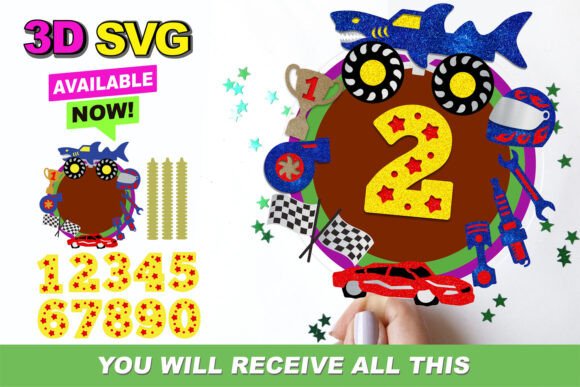
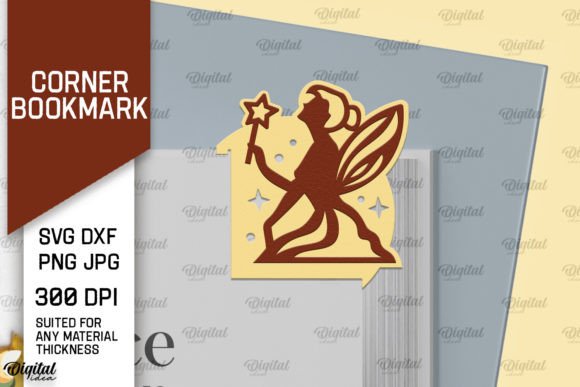
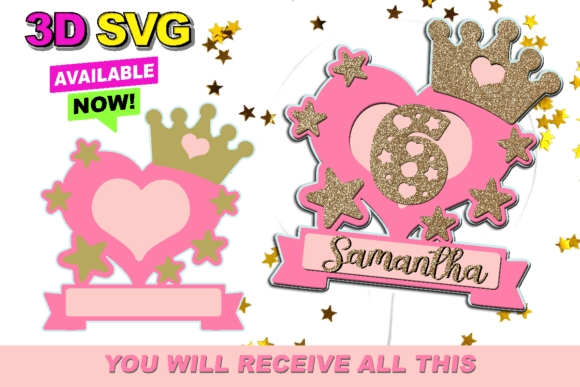
The initial download revealed a set of intricately layered vector files that immediately struck me as versatile. The Princess Cake Topper does not rely on flat, one-dimensional silhouettes. Instead, it utilizes depth and layering to create a sense of dimensionality, which is crucial for modern creative design. The mood is whimsical yet refined, avoiding the overly cartoonish trap that many similar assets fall into. This makes it suitable for high-end handmade business branding where perceived value is tied to visual polish.
For designers working in Silhouette Studio or Cricut Design Space, the compatibility is seamless. The files are structured logically, allowing for easy separation of layers if you wish to use different cardstock colors for a true 3D SVG effect. This immediate usability saves hours of manual tracing and cleanup, which is often the hidden cost of cheaper design assets.
Real-World Application in Client Projects
When integrating the Princess Cake Topper into a broader project, its utility extends far beyond cake decorations. In my recent project, we used these Shapes to anchor the visual identity of a birthday invitation suite. The clean lines allowed us to scale the graphics for large format posters without losing integrity, while the detailed inner cutouts provided texture for smaller sticker design applications.
Here is how this design bundle performs across various mediums:
- Packaging Design: The elements work beautifully as foil-stamped accents on box lids, adding a tactile luxury feel to product mockups.
- Social Media Graphics: When used in Instagram posts or Pinterest pins, the distinct silhouette stands out against busy backgrounds, improving engagement.
- Print-on-Demand: For t-shirt design or tote bags, the layered approach allows for multi-color vinyl application, creating a premium look that justifies higher price points.
- Web Design: As decorative icons in a Canva template or website header, they add personality without overwhelming the user interface.
Strategic Placement and Visual Hierarchy
Understanding where to place the Princess Cake Topper is key to maintaining visual hierarchy. These graphics thrive in hero sections of landing pages or as the focal point of a flyer. They command attention due to their intricate detailing. However, they should be used as supporting brand elements rather than the primary logo mark for corporate entities. The whimsical nature fits perfectly with small business branding in the lifestyle, event, or confectionery sectors but may clash with minimalist or industrial aesthetics.
In editorial design or blog visuals, these SVG design files can serve as chapter breaks or section dividers. Their organic curves soften the rigidity of text-heavy layouts, making the content more approachable. For marketing visuals, pairing these shapes with elegant serif fonts creates a sophisticated contrast, while pairing them with handwritten fonts enhances the playful, personal touch.
Limitations and Careful Considerations
No asset is universal, and the Princess Cake Topper requires careful handling in specific contexts. Due to the fine details inherent in the 3D SVG structure, these graphics can lose definition when scaled down too small. Avoid using them as tiny icons in a footer or within dense paragraphs of text. In low-contrast designs, such as light gray graphics on a white background, the intricate cutouts may disappear, reducing readability and visual impact.
Furthermore, for projects requiring strict corporate professionalism, this illustration style may feel too casual. It is essential to assess the target audience. If the brand voice is serious, authoritative, or tech-focused, this clipart style might undermine the intended message of trust and stability.
Practical Designer Notes for Commercial Use
Before delivering final files to a client, I always run a series of technical checks. Here is my protocol for evaluating the Princess Cake Topper and similar printable design assets:
- Contrast Testing: Place the graphic on both pure black and pure white backgrounds. Ensure the negative space is clear and the positive space is solid.
- Scale Verification: Preview the design at 1 inch and 10 inches. Check if the smallest details remain cuttable or printable without blurring.
- Format Inspection: Verify the PNG design files have transparent backgrounds with no stray pixels. Open the SVG design files in your preferred vector software to ensure all paths are closed and nodes are clean.
- Font Pairing: Test the graphic against various typefaces. It pairs exceptionally well with modern sans serif fonts for a clean look, but also complements decorative display fonts for festive themes.
- Licensing Confirmation: Always double-check the commercial license terms. Ensure that using the asset in Etsy product listings or sublimation design is permitted without additional royalties.
The Princess Cake Topper is a robust addition to any designer’s library. It bridges the gap between digital convenience and physical craft, offering a creative marketplace quality that holds up in professional brand identity work. By understanding its strengths in packaging design and social media graphics, and respecting its limitations in small-scale applications, you can leverage this design bundle to elevate your next client project. Whether you are creating a Cricut project for a local event or a full logo design suite for a new bakery, this asset provides the structural beauty and functional flexibility required for high-quality output.