Reviewing Mandala 3D Layered SVG Cut File-94
As a designer who has spent countless hours digitizing patterns and testing them on various machines, I approach every new machine embroidery design with a mix of curiosity and skepticism. We have all been there: downloading a file that looks stunning on the screen but turns into a tangled mess of thread breaks and puckering on the fabric. Recently, I had the opportunity to evaluate Mandala 3D Layered SVG Cut File-94, and I want to share my practical insights for those of you looking to incorporate this piece into your next embroidery project.
First Impressions and Visual Mood
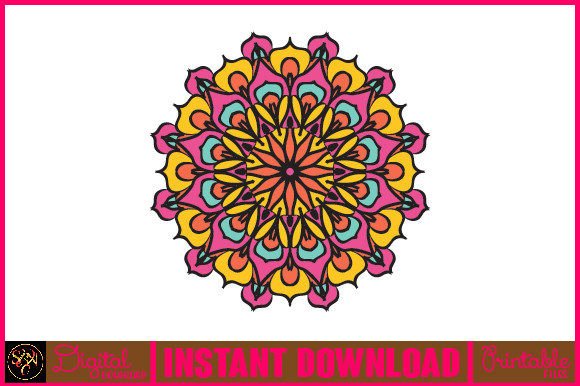
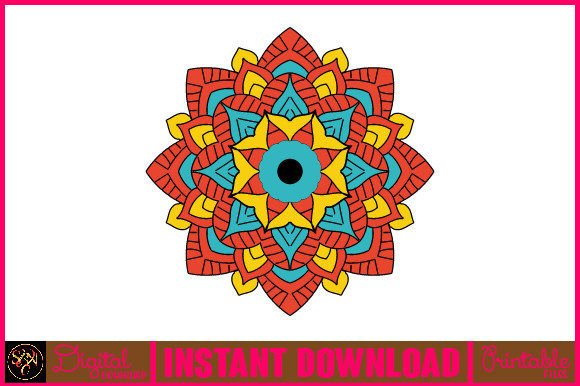
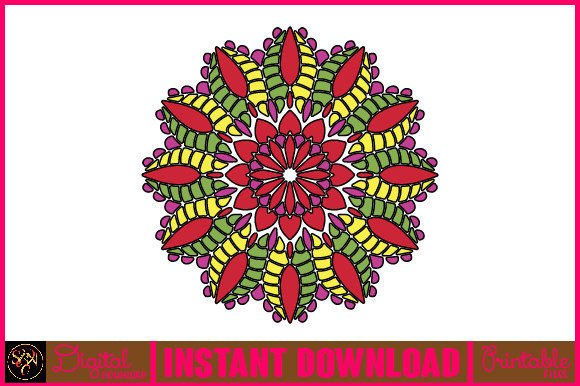
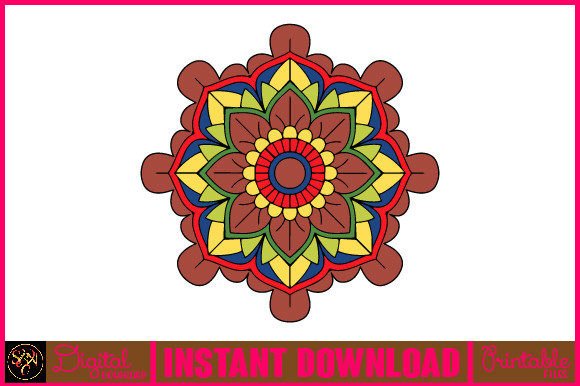
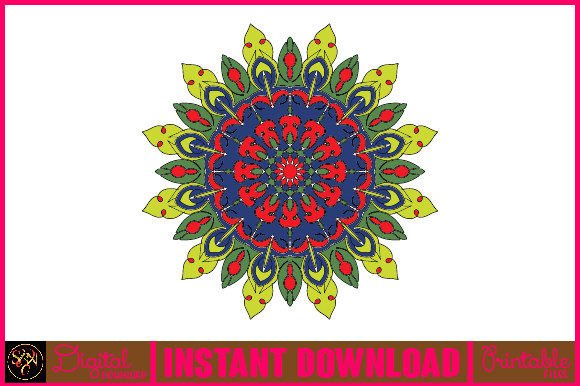
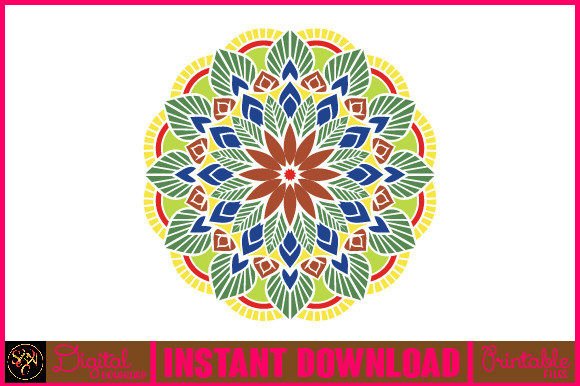
The first thing that strikes you about this design is its intricate balance. It is described as a hand-drawn colorful mandala with tribal ornamentation, and that description holds up under scrutiny. The layout feels organic rather than rigidly geometric, which gives it a warm, human touch that many digital designs lack. For an Etsy seller or craft business owner, this visual personality is crucial. It does not look like generic clip art; it looks like a deliberate artistic choice.
The "3D layered" aspect suggests depth, which is vital for creating visual interest in a finished product. In embroidery, we rely on stitch direction and color changes to create dimension since we cannot physically layer paper or vinyl. This design’s structure lends itself well to that illusion, making it a strong candidate for high-value items where presentation matters.
Real-World Application: The Custom Tote Bag Test
To truly understand how Mandala 3D Layered SVG Cut File-94 performs, I mentally walked through a common scenario: creating a custom embroidered tote bag for a local boutique client. Tote bags are typically made from canvas or heavy cotton, which provides a stable base for detailed work. I imagined placing this mandala centrally on the bag.
Because the design features tribal ornaments and ornamental details, it requires precise stitching to maintain clarity. On a sturdy fabric like canvas, using a proper stabilizer is non-negotiable. I would recommend a medium-weight cut-away stabilizer to ensure the fabric does not distort under the weight of the stitches. The result would be a sophisticated, bohemian-style accessory that appeals to customers looking for unique, handmade products.
Beyond tote bags, this design translates beautifully to sweatshirt embroidery. Imagine this mandala placed on the back of a neutral-colored crewneck. The circular symmetry works perfectly with the natural drape of the garment. However, because sweatshirts are often made of fleece or thick cotton blends, you must be mindful of stitch density. If the design is too dense, it can make the fabric stiff and uncomfortable. Always check the digitizing settings to ensure the fill stitches are not packed too tightly for stretchy or thick materials.
Navigating Fabric and Hoop Constraints
While this design is versatile, it is not without its limitations. One area where you need to exercise caution is with small hoop sizes. If you are working with a 4x4 inch hoop, you may need to scale the design down significantly. When you reduce a complex mandala, the tiny details and thin lines can become lost or cause thread breaks. I always advise testing the design on scrap fabric first, especially if you plan to resize it.
Textured fabrics also present a challenge. If you are embroidering on a waffle-knit towel or a rough linen, the fine lines of the tribal ornament might get swallowed by the fabric texture. In such cases, consider using a satin stitch border around key elements to define them better against the background. For dark fabrics, ensure you have high-contrast thread colors. A light blue mandala on navy blue will vanish, whereas a cream or gold thread will pop and highlight the ornamental details.
Curved surfaces, such as caps or hats, require extra attention. Embroidering a large, flat mandala on a curved cap panel can lead to distortion. If you attempt this, use a strong stabilizer and consider simplifying the design by removing some of the innermost layers to reduce bulk. This is where understanding the difference between a digital embroidery file meant for printing versus one optimized for stitching becomes critical.
Commercial Value and Brand Consistency
For small shop owners and creative entrepreneurs, the value of a design lies not just in its beauty but in its ability to sell. Mandala 3D Layered SVG Cut File-94 has a timeless quality that fits well with current trends in mindfulness, yoga, and boho-chic aesthetics. This makes it an excellent choice for personalized gifts, such as baby blankets or nursery decor. Parents often look for soothing, symmetrical patterns for children’s items, and this mandala delivers that sense of calm.
When using this design for commercial purposes, such as creating custom apparel or embroidered patches, consistency is key. Ensure that your thread colors match your brand palette. If your brand is earthy and natural, stick to greens, browns, and creams. If it is vibrant and playful, lean into the colorful aspect of the design. Using this asset in your printable mockup previews can also help customers visualize the final product, increasing buyer engagement and trust.
Practical Designer Notes
Before you commit to a full production run, keep these practical tips in mind:
- Test on Scrap Fabric: Always run a test stitch-out on the same type of fabric you intend to use for the final product. This helps you identify any tension issues or thread breaks.
- Check Stitch Density: Review the file settings to ensure the density is appropriate for your fabric. High density on thin fabric will cause puckering.
- Verify Licensing: Since this is categorized under Crafts and Graphics, confirm the license terms. Ensure you are allowed to sell finished physical items made with this design. Do not assume commercial rights unless explicitly stated.
- Contrast is Key: Use black and white mockups to check if the design holds its shape without color. If the details disappear in grayscale, they may get lost in low-light conditions or on busy fabrics.
- Stabilizer Selection: Match your stabilizer to your fabric. Use tear-away for stable woven fabrics and cut-away for knits or stretchy materials.
In conclusion, Mandala 3D Layered SVG Cut File-94 is a robust addition to any designer’s library. It offers a blend of artistic flair and structural integrity that, when handled with care, can elevate your holiday embroidery projects, boutique merchandise, and custom orders. By respecting the technical requirements of embroidery and understanding your materials, you can transform this digital asset into a tangible, high-quality product that resonates with your customers.