Reviewing the 3D SVG Christmas Card 1871
As a graphic designer who spends half my life tweaking kerning and the other half explaining to clients why "just one more change" isn't free, I approach every new graphic design asset with a healthy dose of skepticism. We have all been there: you download a bundle that looks stunning in the preview, only to find the layers are a mess or the vectors are uneditable nightmares. However, when I pulled up the Christmas Greeting Card SVG Layered 1871 for a recent holiday campaign project, my initial reaction was surprisingly positive. This is not just another clipart dump; it is a structured, thoughtful digital product designed for actual production workflows.
First Impressions and Visual Mood
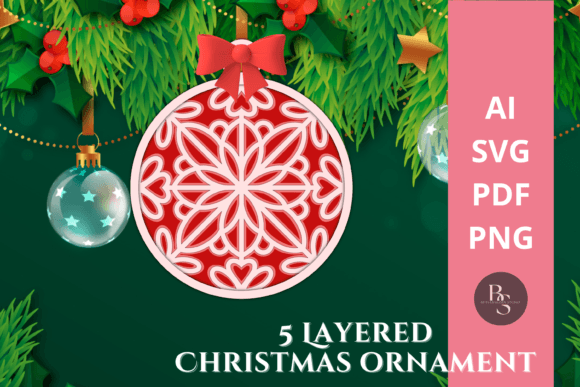
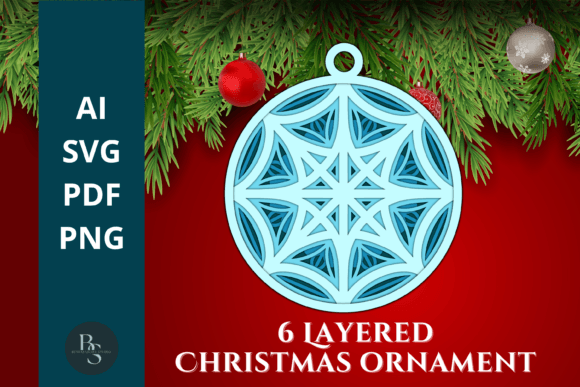
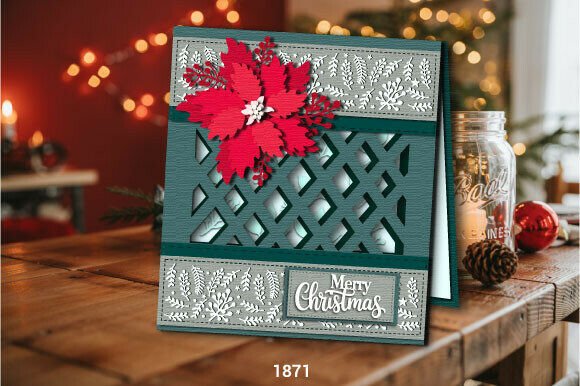
The first thing that strikes you about this asset is its depth. In a market saturated with flat, two-dimensional icons, the 3D SVG structure of this file offers a tangible sense of luxury and craftsmanship. The ten-layered construction allows for intricate shadow play and dimensional stacking, which is crucial if you are aiming for a high-end aesthetic. The mood it creates is warm, traditional, yet meticulously modern. It does not scream "cheap holiday decor"; instead, it whispers "boutique brand." For a client looking to elevate their small business branding during the festive season, this visual language is incredibly potent. It fits naturally into projects that require a touch of elegance, such as premium packaging design or exclusive invitations announcements.
Real-World Application for Client Projects
I recently used this asset for a handmade jewelry boutique launching a limited-edition holiday collection. The goal was to create marketing visuals that felt personal and expensive without breaking the budget on custom photography. Here is how the Christmas Greeting Card SVG Layered 1871 performed across various mediums:
- Packaging Design: We used the layered elements to create a custom belly band for their gift boxes. The vector precision meant we could scale it perfectly for laser cutting, ensuring clean edges on thick cardstock.
- Social Media Graphics: By flattening specific layers, we created eye-catching Pinterest pins and Instagram posts. The intricate details stood out even in thumbnail sizes, driving higher engagement rates.
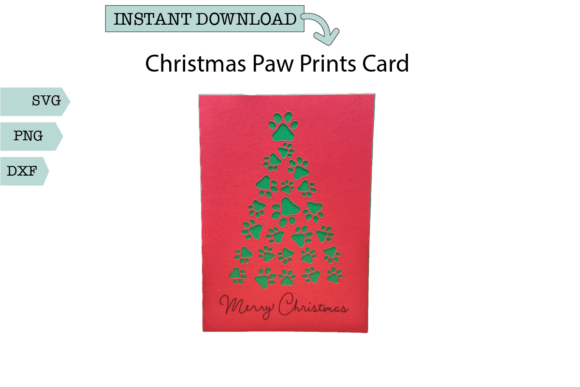
- Printable Design: For their email newsletter, we offered a downloadable printable card featuring the design. Customers loved the ability to print a professional-looking card at home, adding value to the purchase.
This versatility makes it an excellent addition to any design bundle intended for multi-channel campaigns. Whether you are working on logo design accents, product labels, or editorial design for a holiday lookbook, the asset holds up under scrutiny.
Where This Asset Shines
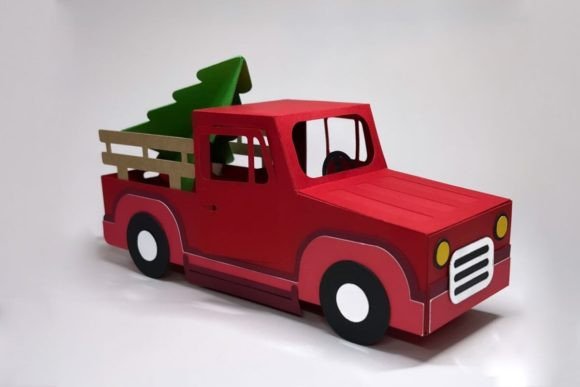
The strength of this SVG design lies in its adaptability for physical production. If you are a Cricut user or run a handmade business focused on paper crafts, the ten-layer structure is a goldmine. It allows for complex laser cutting projects where each layer can be a different material or color, creating a true 3D effect. It also works beautifully for sublimation design on fabric, provided you manage the color separation correctly. For print-on-demand sellers, this can be adapted for t-shirt design or tote bags, though I recommend simplifying the layers for screen printing to reduce costs.
In digital spaces, it serves as a powerful hero graphic for website headers or blog visuals. When paired with a clean sans serif font or an elegant script font, it anchors the visual hierarchy of the page, drawing the eye immediately to the seasonal offer.
Cautionary Notes for Designers
While I appreciate the complexity, there are scenarios where this asset should be used carefully. Do not attempt to use the full ten-layer detail in very small sizes, such as favicon icons or tiny footer graphics. The intricacy will get lost, resulting in visual noise rather than clarity. Additionally, avoid placing it over busy, low-contrast backgrounds. The delicate lines require breathing room and high contrast to remain legible. If your client’s brand identity is strictly minimalist or corporate, this ornate style might clash with their established visual trust and professionalism. Always ensure the design supports, rather than overwhelms, the core message.
Practical Designer Checks Before Commercial Use
Before handing off files to a client or uploading to an Etsy product listing, I always run a few standard tests. Here is my checklist for this specific asset:
- Test in Black and White: Strip away the color to ensure the silhouette and layer separation still make sense. This is crucial for single-color printing methods like foil stamping.
- Check Contrast: Preview the design on both light and dark backgrounds. Ensure the finest lines do not disappear against darker hues.
- Inspect Editability: Open the SVG design in your preferred vector software. Verify that all paths are closed and nodes are clean. This saves hours of cleanup later.
- Font Pairing: Experiment with different typography. I found it pairs well with a bold display font for headlines and a simple handwritten font for personal messages, but avoid overly decorative fonts that compete with the illustration.
- Licensing Verification: Always confirm the commercial license terms. Ensure you are allowed to use the asset in end-products for sale, especially if you are creating stickers or mugs for a creative marketplace.
Final Verdict
The Christmas Greeting Card SVG Layered 1871 is more than just a festive decoration; it is a robust tool for designers who need to deliver high-quality, tactile experiences in a digital-first world. It bridges the gap between web design and physical craft, offering flexibility for Canva template creators, sticker design enthusiasts, and professional agencies alike. If you are looking to add a layer of sophistication to your commercial design projects this season, this asset deserves a spot in your library. Just remember to respect its complexity, give it space to breathe, and always prioritize the clarity of your client’s message. When used with intention, it transforms ordinary marketing visuals into memorable brand moments.