Reviewing the Bee Shadow Box SVG for Embroidery Use
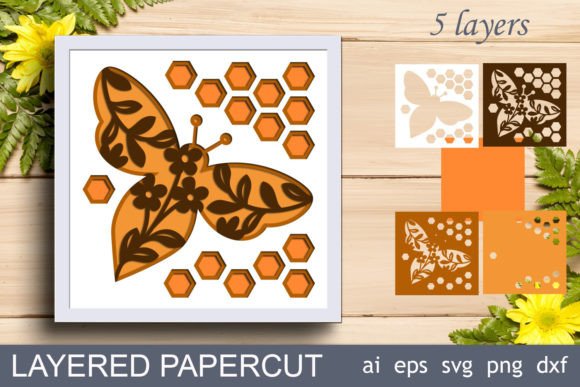
As a designer who spends half my life digitizing and the other half stitching, I have learned to look past the flashy marketing thumbnails. When I first encountered the Bee Shadow Box Svg, 3d Bee Layered, my initial reaction was one of cautious curiosity. The description highlights its utility as a cuttable design for shadow boxes, wall decoration, and gifts, specifically mentioning compatibility with Cricut, Silhouette, and Brother machines for laser cutting or paper crafts. However, my mind immediately jumped to a different application: how does this layered aesthetic translate to thread?
The visual personality of this design is charmingly rustic yet modern. It captures that trendy "layered paper" look that has dominated home decor for years. For an embroidery designer, this presents both an opportunity and a challenge. The mood it creates is warm, inviting, and slightly whimsical, making it a natural fit for spring collections, nursery themes, or eco-friendly boutique branding. But translating a design intended for physical layering into a single-plane medium like fabric requires careful consideration of stitch types and density.
Translating Layered Aesthetics to Stitch
In a real-world scenario, imagine you are preparing a custom order for a local boutique. They want a line of organic cotton tote bags featuring nature-inspired motifs. The Bee Shadow Box Svg, 3d Bee Layered catches your eye because of its clean lines and distinct separation of elements. In a paper craft, these layers create depth through physical shadows. In embroidery, we must create that illusion of depth through thread color variation and stitch direction.
If you were to use this as a direct machine embroidery design, you would need to interpret the "layers" as separate color blocks. The outer frames might work beautifully as a running stitch or a light fill stitch to mimic the cardstock base, while the bee itself could benefit from a denser satin stitch to make it pop against the background. The key here is contrast. Without the physical lift of paper layers, your thread colors must do the heavy lifting. A dark honey-gold for the bee against a cream background, framed by a soft sage green, could replicate the shadow box effect surprisingly well on a tote bag design or a canvas apron.
Practical Applications for Small Businesses
For Etsy sellers and craft business owners, versatility is currency. While the product is categorized under Wall Decor and Laser Cutting, the graphic simplicity of the bee motif makes it highly adaptable. Consider using the central bee element as a standalone embroidered patch for denim jackets or caps. The clean geometry ensures that even at smaller sizes, the shape remains recognizable.
For baby embroidery projects, such as onesies or burp cloths, the gentle curves of the bee are appealing. However, you must be mindful of the intricate inner details. If the original SVG has very fine lines intended for laser precision, those may not hold up well in thread. You might need to simplify the inner wings or body segments to prevent thread breaks or puckering on delicate fabrics. This design shines in holiday embroidery for spring events or as a personalized gift for new parents, provided the scale is adjusted appropriately for the garment.
Navigating Technical Challenges
It is crucial to approach this design with a critical eye regarding stitch density and fabric choice. Since the source material is optimized for cutting, it may lack the underlay stitches necessary for stable embroidery. If you are digitizing this yourself or using a converted file, always test on scrap fabric first. Textured fabrics like terry cloth or thick fleece can swallow up fine details, making the "layered" look appear muddy rather than distinct.
Be particularly careful with stretchy fabrics. A dense fill stitch on a thin jersey t-shirt can cause significant distortion. In such cases, consider using an applique design technique where the layers are represented by actual fabric pieces stitched down, rather than just thread. This not only reduces stitch count but also genuinely recreates the 3D shadow box effect physically. For curved surfaces like caps, ensure the design is centered and not too wide, as the hoop tension can distort the symmetrical balance of the bee and its frame.
Enhancing Brand Value and Customer Trust
Using a well-executed version of this design can elevate the perceived value of your handmade product. Customers associate clean, crisp stitching with professionalism. If the layers are distinct and the colors are harmonious, it signals attention to detail. This builds trust, which is essential for commercial embroidery clients who rely on your consistency for their brand identity. A messy or overly dense interpretation of this design, however, can look amateurish and detract from the finished product's appeal.
When creating printable mockup assets for your online shop, remember that lighting plays a huge role in selling the "3D" aspect. Even though embroidery is flat, photographing it at an angle can highlight the texture of the threads, mimicking the shadows of the original paper craft concept. This helps bridge the gap between the digital design assets you see on screen and the tactile reality of the item.
Final Designer Notes
Before committing to a large production run, take these practical steps. First, verify the licensing. While the description mentions use for individual projects and gifts, always confirm if commercial rights are included if you plan to sell items made with this specific digital file. Second, check the file formats. If you are receiving an SVG, you will likely need to digitize it yourself or use auto-digitizing software, which rarely produces optimal results for complex shapes. Manual adjustment of pull compensation and stitch angles is usually required.
Test the design in black and white mockups to ensure the silhouette holds up without color reliance. Compare how it looks on light versus dark fabric backgrounds; you may need to add a border or change thread weights to maintain visibility on darker materials. Finally, always use the appropriate stabilizer. For a design that relies on structural integrity to mimic a shadow box, a cut-away stabilizer is often safer than tear-away, especially for items that will undergo frequent washing.
The Bee Shadow Box Svg, 3d Bee Layered is a versatile graphic with strong potential for embroidery if approached with technical diligence. It is not just a cut file; it is a visual concept that, when translated thoughtfully into thread, can become a standout piece in your small shop product lineup. Whether for a sweatshirt embroidery project or a delicate kitchen towel, the key lies in respecting the limitations of the medium while leveraging the strength of the design's composition.