Reviewing the Layered Tulip SVG for Embroidery
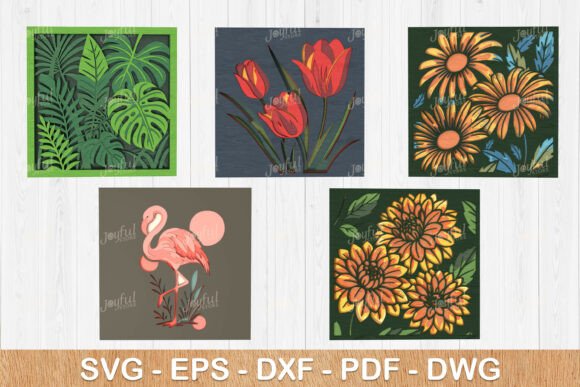
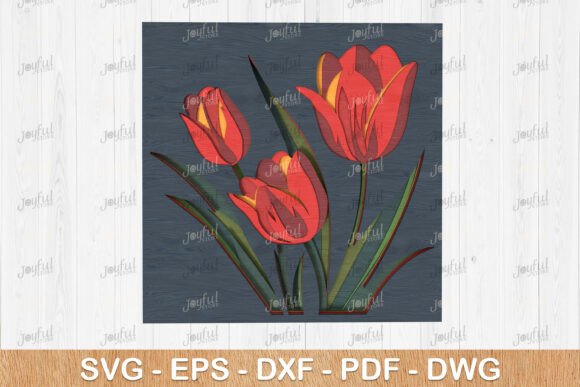
As a designer who spends half my life staring at digitized files and the other half watching needles punch through fabric, I have developed a keen eye for what works in the hoop and what merely looks good on a screen. When I first opened the Layered Tulip Flower SVG Wall Art package, my initial reaction was one of cautious optimism. The term "3D SVG" often implies complex layering that can be a nightmare to translate into thread, but this design presents a unique opportunity for creative interpretation in the world of machine embroidery.
The visual personality of this piece is soft yet structured. It captures the organic curve of tulips without becoming overly botanical or rigid. For those of us creating handmade products, this balance is crucial. A design that is too detailed can look messy when stitched out, while one that is too simple can feel cheap. This particular floral arrangement sits comfortably in the middle, offering enough depth to be interesting but clean enough lines to ensure stitching clarity.
From Digital File to Stitched Reality
Let’s talk about a real-world scenario. Last month, I was preparing a custom order for a boutique client who wanted a line of spring-themed tote bag designs. She needed something that felt fresh and modern, not like the generic clip-art flowers seen on mass-produced items. I pulled up the Layered Tulip Flower SVG Wall Art to evaluate its potential. Since the purchase includes formats like SVG, DXF, EPS, PDF, and DWG, I had to consider how these vector paths translate to an embroidery file.
It is important to note that this is primarily a cut file package. To use it for commercial embroidery, you will need to digitize it or use software that converts these shapes into stitch types. This is actually a benefit for experienced designers. It allows you to control the stitch density and choose between a satin stitch for the petals or a fill stitch for a more textured look. If you were to apply this as an applique design, the layered nature of the tulip makes it perfect for stacking fabric pieces, creating genuine physical depth that mimics the 3D effect promised by the source file.
Best Uses for Your Embroidery Project
Once digitized or adapted, where does this design shine? I found it particularly effective for sweatshirt embroidery. The larger surface area of a crewneck allows the layered petals to breathe. Using contrasting thread colors against a heather grey or cream fabric creates a sophisticated look that appeals to adult buyers, not just children. It also works beautifully for baby embroidery on onesies or burp cloths, provided you scale it down appropriately and use softer pastel palettes.
For Etsy sellers and small shop owners, versatility is key. This design fits well into several niches:
- Holiday embroidery: Perfect for Easter baskets or spring home decor pillows.
- Personalized gift items: Add a monogram in the center of the tulip cluster for a custom touch.
- Embroidered patch creation: The defined edges make it suitable for iron-on or sew-on patches.
- Kitchen textiles: Looks charming on tea towels or aprons when kept to a single colorway.
The mood it creates is one of calm elegance. It does not scream for attention but invites a closer look. This subtlety increases the perceived value of the finished product, making it easier to justify higher price points in your craft business.
Where to Exercise Caution
While the design is versatile, it is not without its challenges. If you are planning to stitch this on stretchy fabric like jersey knits without proper stabilization, the layered details may pucker. Tulips have curves, and curves require careful handling of pull compensation during digitizing. On dark fabrics, you must ensure high contrast in your thread colors; otherwise, the layers will blend together and lose their definition.
Additionally, be mindful of hoop size limitations. If you attempt to shrink this design too much for a cap or a small pocket, the intricate layering may become indistinguishable blobs of thread. Always test on scrap fabric first. I recommend running a test stitch-out on the same fabric texture you intend to use for the final item. This helps you identify if the running stitch outlines are sufficient or if you need additional tack-down stitches for applique layers.
Practical Designer Notes
Before you list this as a small shop product or include it in a digital bundle, consider these technical steps:
- Check Licensing: While the file formats suggest broad usage for home decor and print, always confirm the specific license terms for selling physical embroidered goods. Ensure you are compliant with commercial use rights.
- Mockup Testing: Create black and white mockups to verify that the layers remain distinct without color reliance. This ensures accessibility and clarity.
- Stabilizer Selection: For a design with potential density from layering, use a cut-away stabilizer for garments that will be washed frequently. This maintains the integrity of the custom apparel over time.
- Thread Choice: Matte threads like cotton or rayon often look more premium on floral designs than shiny polyester, which can sometimes look plasticky on delicate flower shapes.
In conclusion, the Layered Tulip Flower SVG Wall Art is a strong asset for designers who understand the bridge between vector graphics and textile art. It offers a fresh take on floral motifs, moving away from flat, one-dimensional clips toward something with visual weight and character. Whether you are creating design assets for print or planning a complex applique design for a high-end boutique, this file provides a solid foundation. Just remember that the magic happens in the execution—proper digitizing, thoughtful fabric selection, and precise stitching will turn this digital file into a tangible piece of art that customers love to hold and wear.